If you’ve shopped for a vacuum in the last few years, you’ve seen “HEPA filter” printed on nearly every box. But not all HEPA filters are equal, and the difference between a genuinely sealed HEPA system and a marketing label can matter a great deal if allergies or asthma affect your household.
Quick Answer
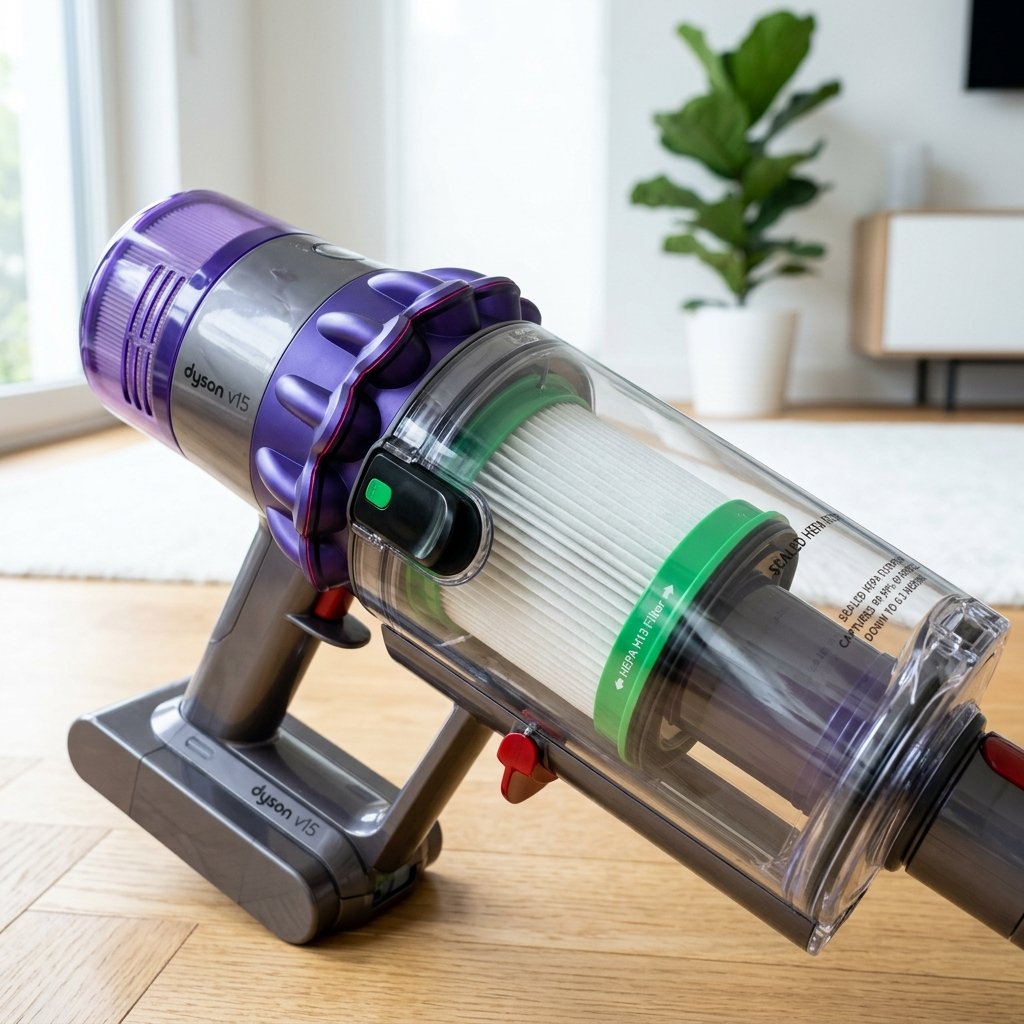
A true HEPA filter captures at least 99.95% of particles down to 0.3 microns in size, including dust mite debris, pollen and pet dander. For this to work in practice, the vacuum’s entire airflow path must be sealed — a HEPA filter fitted into a leaky housing lets dust-laden air escape around it, defeating the purpose.
What Does HEPA Actually Stand For?
HEPA stands for High Efficiency Particulate Air. It’s a filtration standard, not a brand, originally developed for medical and industrial cleanroom use before being adopted by home appliance manufacturers. A genuine HEPA filter is tested and rated to a specific capture efficiency, which is why it’s meaningfully different from a generic “fine dust filter” label.
Why Sealed Systems Matter More Than the Filter Alone
The filter itself is only half the story. If air can bypass the filter through gaps in the vacuum’s housing, hose connections or bin seal, allergens escape back into the room regardless of how good the filter media is. Look specifically for vacuums described as having a “sealed HEPA system,” which means the manufacturer has engineered the entire airflow path — not just the filter — to prevent leakage.
Who Actually Needs HEPA Filtration?
Households with a family member who has asthma, hay fever, eczema or a diagnosed dust mite allergy benefit most directly from sealed HEPA filtration, since fine particles are a common trigger for flare-ups. Pet owners also benefit, since dander is small enough to pass through standard filters. For households without specific allergy concerns, a good multi-stage filter is often adequate, though HEPA still offers a general air-quality benefit.
HEPA vs Standard Filters: What’s the Real Difference?
| Filter Type | Particle Capture | Best For |
|---|---|---|
| Standard foam/felt filter | Captures larger dust and debris | General households, no allergy concerns |
| Multi-stage filter | Improved fine-particle capture | Moderate allergy sensitivity |
| Sealed HEPA filter | 99.95%+ of particles down to 0.3 microns | Asthma, hay fever, pet dander, dust mite allergy |
Washable vs Disposable HEPA Filters
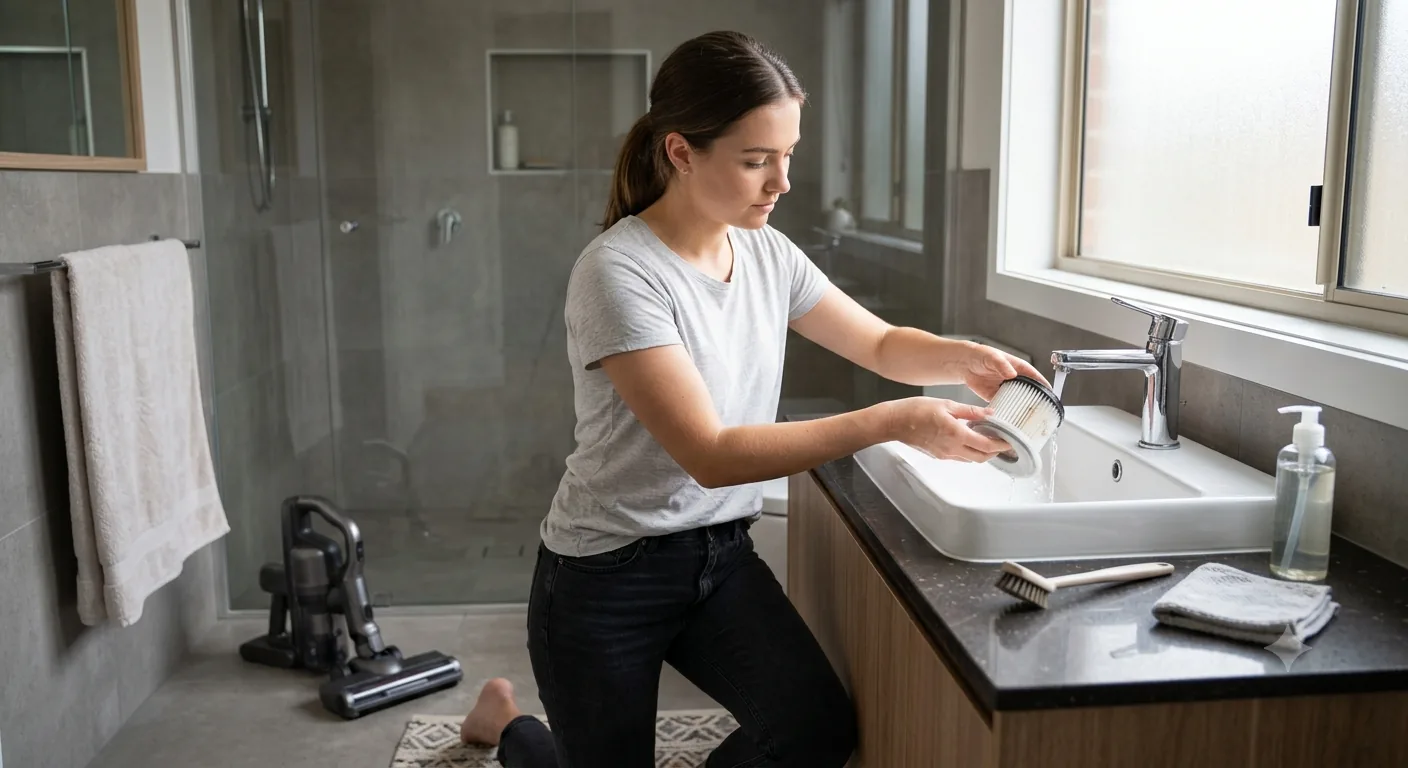
Washable HEPA filters reduce ongoing costs but need to dry completely (usually 24 hours) before refitting, since a damp filter can grow mould inside the vacuum. Disposable HEPA filters cost more over time but ensure consistent filtration performance since they’re replaced rather than degrading through repeated washing. Check your specific model’s manual, since fitting the wrong maintenance approach can damage non-washable filters.
Common Misconceptions About HEPA Filters
A common misconception is that any vacuum with “HEPA” printed on the box has a fully sealed system — many budget vacuums use a HEPA-rated filter without a sealed housing, which limits the real-world benefit. Another misconception is that HEPA filters never need replacing; in reality, even washable filters lose efficiency over time and need periodic replacement.
Expert Tips
Check independent product specifications (not just marketing copy) for the phrase “sealed system” before assuming a HEPA-labelled vacuum will meaningfully improve air quality. If allergy symptoms are a primary concern, prioritise sealed HEPA filtration over other features like suction wattage or smart connectivity.
Final Thoughts
HEPA filtration is one of the few vacuum features with a genuine, measurable health benefit — but only when the whole system is sealed, not just the filter. If allergies affect your household, treat sealed HEPA filtration as a priority feature rather than a nice-to-have.
Looking for vacuums built specifically for allergy sufferers? See our Best Vacuum Cleaners for Allergies and Asthma Sufferers in Australia guide. Read Best Vacuum Cleaners for Allergies and Asthma Sufferers in Australia →
Key Takeaways
HEPA is a tested filtration standard, not a marketing term, capturing 99.95%+ of particles down to 0.3 microns.
A sealed system matters as much as the filter itself — look for both.
Allergy, asthma and pet-owning households benefit most directly from sealed HEPA filtration.
Filters need periodic replacement or washing on schedule to maintain effectiveness.
Frequently Asked Questions
It’s not essential, but sealed HEPA filtration still offers a general air-quality benefit and is worth considering if you have pets or live near a busy road.
It means the entire airflow path, not just the filter, is engineered to prevent dust-laden air from escaping around the filter housing.
Typically every six to twelve months depending on usage, though washable models can sometimes be reused for longer with proper care.
No, only if the manufacturer specifies it’s washable. Wetting a non-washable filter can damage the filtration media.
Not necessarily — look for a sealed system specifically, since an unsealed HEPA filter allows dust-laden air to bypass the filtration.
Yes, sealed HEPA filtration captures dander effectively, which is one of the main reasons pet owners are advised to prioritise it.
It’s beneficial for the same reasons as full-size vacuums, particularly in allergy-affected households, though robot vacuums are generally used for maintenance cleaning rather than deep allergen removal.
A clean HEPA filter shouldn’t meaningfully reduce suction; a clogged or overdue filter will, which is why regular maintenance matters.
HEPA filters capture particles; carbon filters absorb odours. Some vacuums combine both for particle and odour control.
Yes, particularly during pollen season, since sealed HEPA filtration reduces airborne pollen that settles in carpet and soft furnishings.
Reduced suction, a musty smell, or reaching the manufacturer’s recommended replacement interval are all signs it’s time to replace it.
For allergy-affected households, yes. For general households, it’s a reasonable but not essential upgrade over standard filtration.
Really useful breakdown — this matched what I found testing a couple of models myself. Appreciate the Australian-specific detail.
Would love an update once the newer models land locally, but this gave me enough to make a confident decision.