For households where allergies or asthma are a genuine concern, filtration quality should be the primary purchase criterion — not suction power or smart features.
Quick Answer
The best vacuums for allergy sufferers have a genuinely sealed HEPA filtration system, a bagged rather than bagless design where possible, and strong sustained suction. Expect to pay $500–$1,000 for a model that meets all three criteria well.
What Actually Matters for Allergy Sufferers
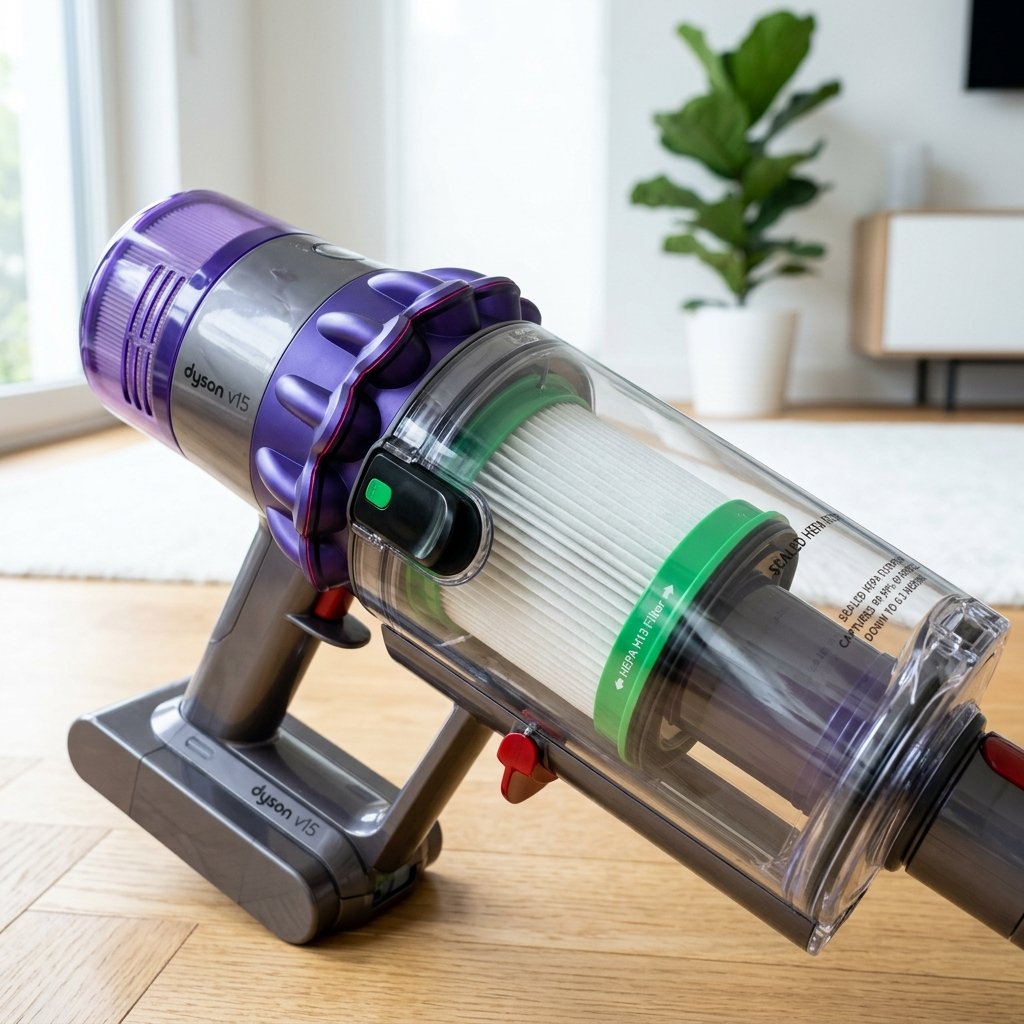
A sealed HEPA system — where the entire airflow path, not just the filter, is engineered to prevent leaks — captures 99.95%+ of particles down to 0.3 microns, including dust mite debris, pollen and pet dander. Bagged vacuums add a hygiene advantage by avoiding the small dust cloud released when emptying a bagless bin.
Best Overall for Allergies
Miele and Dyson models with certified sealed HEPA systems lead this category, typically $600–$1,000, with Miele in particular known for bagged options favoured by allergy specialists.
Best Budget Pick for Allergies
Mid-range Shark and Bissell models with HEPA-rated filters offer a reasonable compromise for allergy-conscious households on a tighter budget, around $350–$550.
Comparison Table
| Feature | Why It Matters for Allergies |
|---|---|
| Sealed HEPA system | Prevents dust-laden air escaping around the filter |
| Bagged design | More hygienic disposal, no dust cloud on emptying |
| Sustained suction | Ensures allergens are actually lifted, not just disturbed |
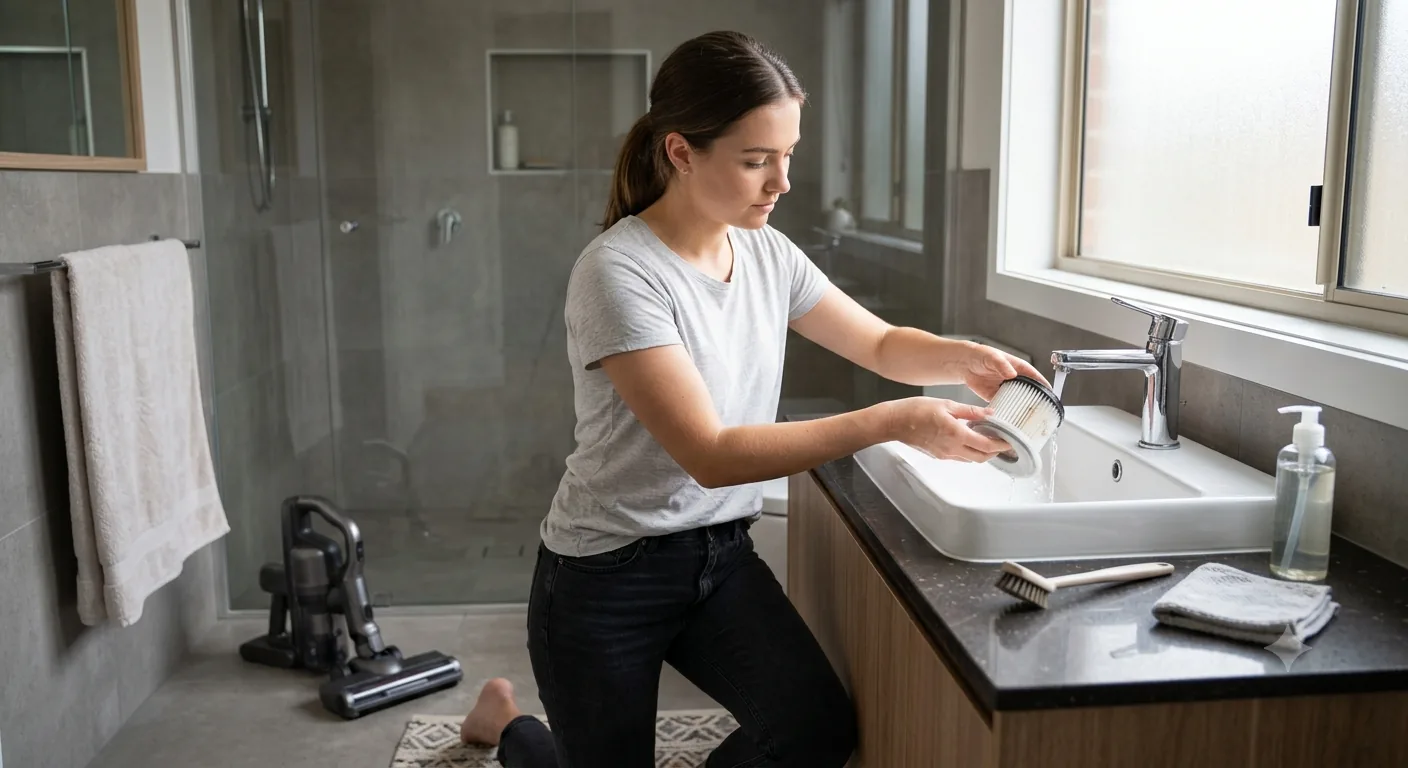
| Washable/replaceable filters | Maintains filtration effectiveness over time |
Final Thoughts
For allergy and asthma sufferers, filtration quality should outweigh every other purchase consideration, including price and smart features.
See our HEPA Filters Explained guide to understand exactly what to check before buying.
Key Takeaways
Sealed HEPA filtration (not just a HEPA-labelled filter) is the priority feature for allergy sufferers.
Bagged vacuums offer a hygiene advantage on disposal.
Expect to invest $500+ for a vacuum that genuinely meets allergy-conscious criteria.
Frequently Asked Questions
A genuinely sealed HEPA filtration system, where the entire airflow path — not just the filter — is engineered to prevent leaks.
Bagged is generally better since the bag is sealed and disposed of without releasing trapped dust back into the air.
Genuinely sealed HEPA systems are more common at $500+, though some mid-range models offer a reasonable compromise.
It can help with daily maintenance dust reduction but isn’t a substitute for a full-size vacuum with sealed HEPA filtration for deep allergen removal.
Daily to twice weekly for bedrooms and main living areas, especially during high-pollen seasons.
Really useful breakdown — this matched what I found testing a couple of models myself. Appreciate the Australian-specific detail.
Would love an update once the newer models land locally, but this gave me enough to make a confident decision.