
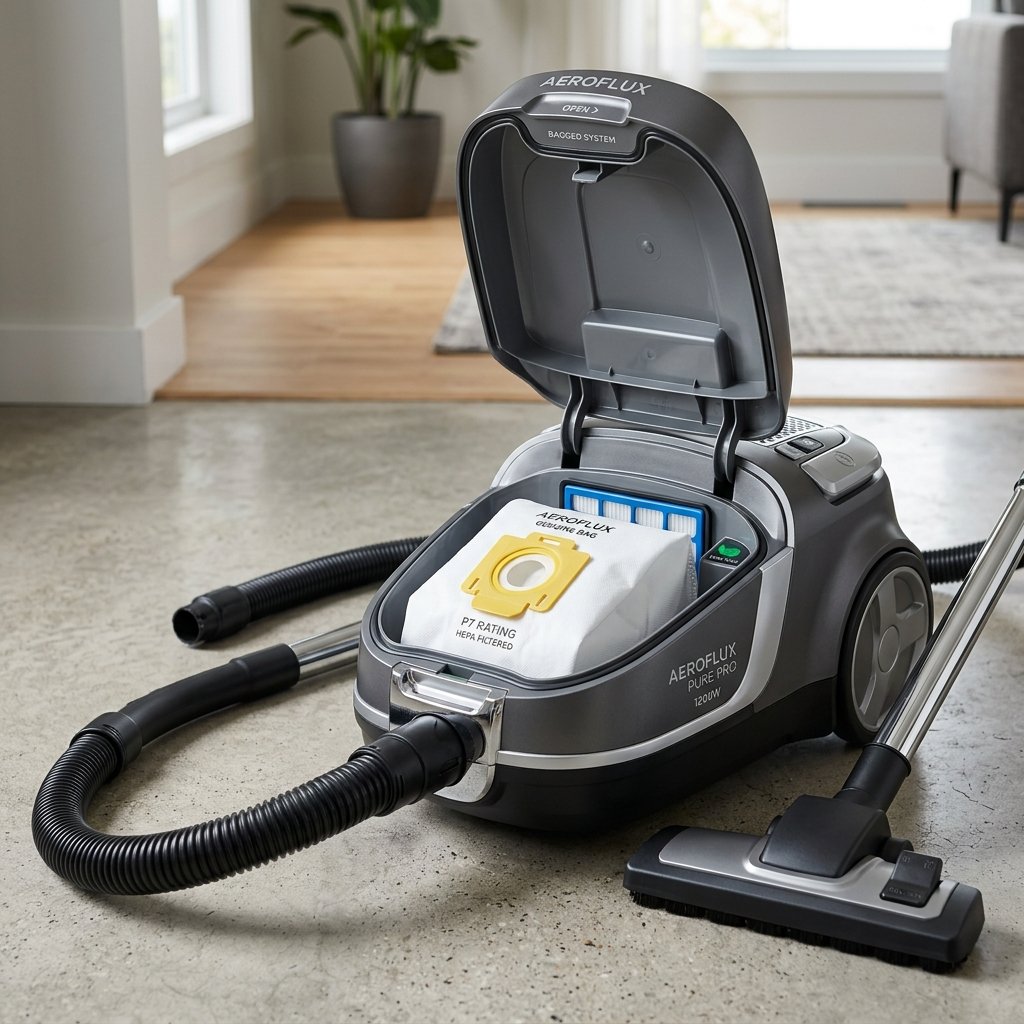
The bagged versus bagless decision affects ongoing costs, hygiene during disposal, and how much maintenance attention your vacuum needs.
Quick Answer
Bagless vacuums cost less to run long-term and offer clear visibility of fill level, while bagged vacuums offer more hygienic disposal and are generally preferred for allergy-sensitive households.
Cost Comparison
Bagless vacuums avoid the ongoing cost of replacement bags entirely, which can save $50–$100+ per year in an active household. Bagged vacuums have an ongoing consumable cost but often include the bag as an additional filtration layer.
Hygiene Comparison
Bagless bins release a small amount of dust into the air when emptied, which can be a genuine concern for allergy or asthma sufferers. Bagged systems seal debris inside a disposable bag, avoiding this exposure entirely.
Maintenance Comparison
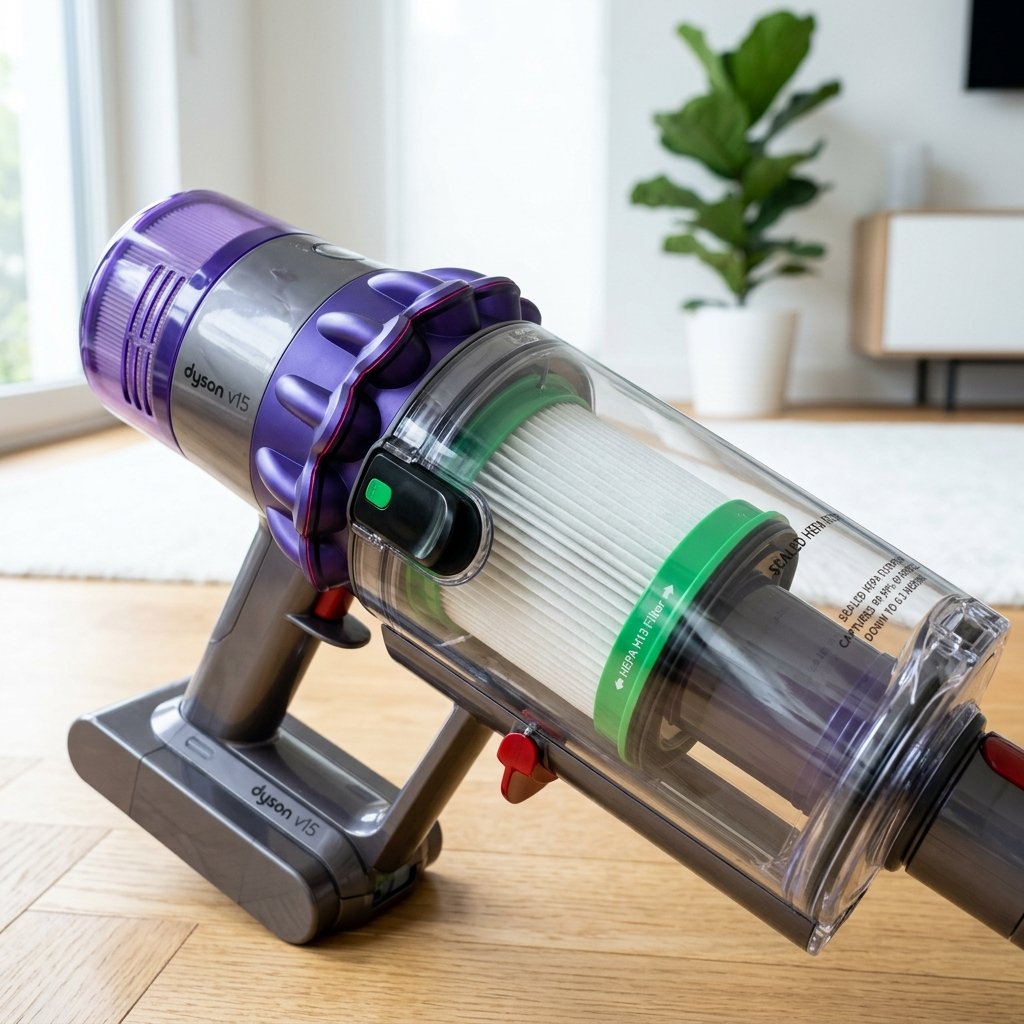
Bagless vacuums require regular filter washing and bin cleaning to maintain suction, since dust can coat the interior surfaces even in an emptied bin. Bagged vacuums require less frequent hands-on maintenance since the bag itself contains most debris.
Comparison Table
| Factor | Bagless | Bagged |
|---|---|---|
| Ongoing cost | Lower | Higher (regular bag purchases) |
| Disposal hygiene | Some dust exposure | Sealed, hygienic |
| Maintenance | More frequent filter/bin cleaning | Less frequent, bag-focused |
| Best for | Cost-conscious, general households | Allergy sufferers, hygiene-focused |
Final Thoughts
Both formats clean effectively — the right choice depends on your household’s tolerance for ongoing costs versus dust exposure during disposal.
See our Vacuum Cleaner Bagged vs Bagless guide for a deeper breakdown of how each system works.
Key Takeaways
Bagless saves money long-term but requires more frequent maintenance.
Bagged offers more hygienic disposal, better suited to allergy-sensitive households.
Choose based on which factor — cost or hygiene — matters more to your household.
Frequently Asked Questions
Bagged is generally better for allergy sufferers due to sealed, hygienic disposal that avoids releasing trapped dust back into the air.
Yes, bagless avoids the ongoing cost of replacement bags, saving money over the vacuum’s lifespan.
Yes, they require more frequent filter washing and bin cleaning to maintain consistent suction performance.
No, this is a fixed design choice built into each specific vacuum model.

Really useful breakdown — this matched what I found testing a couple of models myself. Appreciate the Australian-specific detail.
Would love an update once the newer models land locally, but this gave me enough to make a confident decision.